CONVERGENCE: Fragments of a Changing World
My work explores the intersection of climate change, community, and place. Through photography and socially engaged art practices, I convey experiential knowledge of the climate crisis—knowledge that is lived, felt, and witnessed by those most affected.
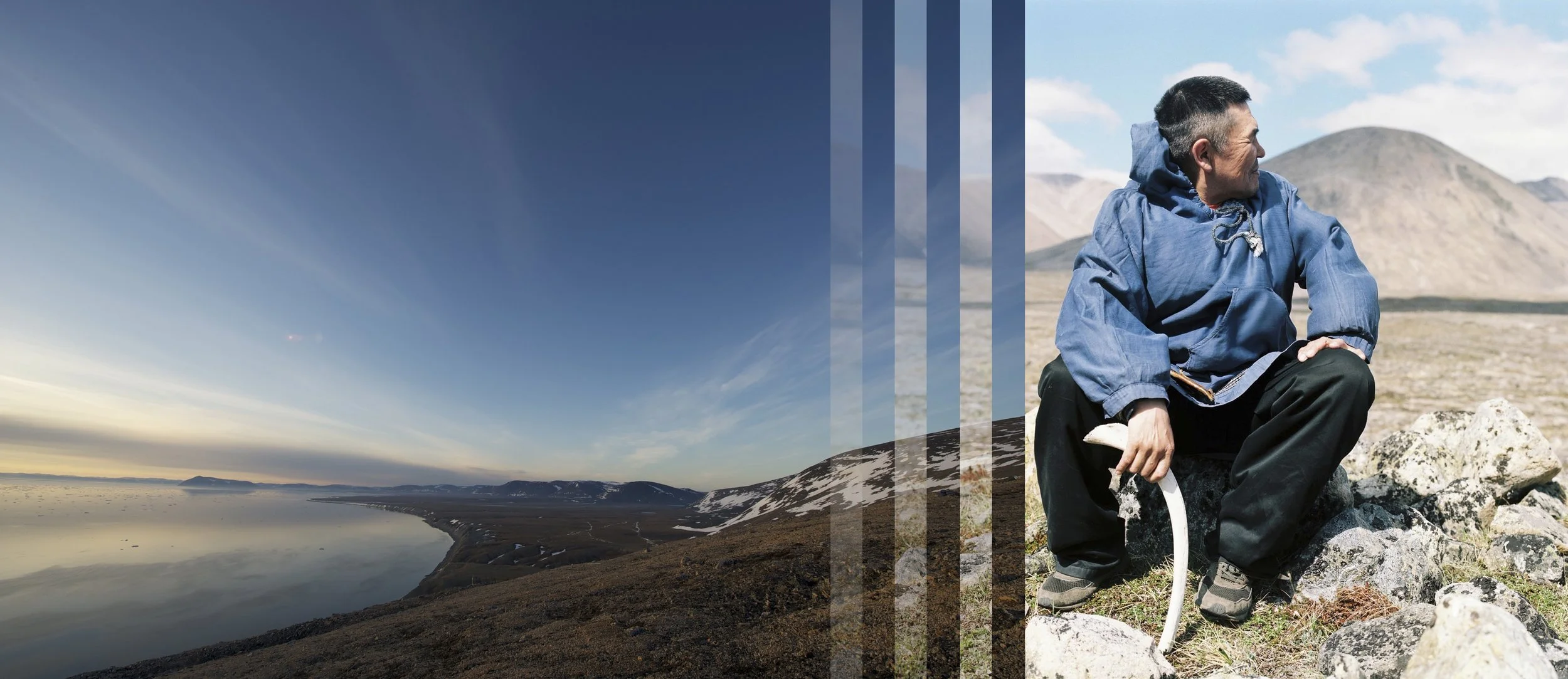
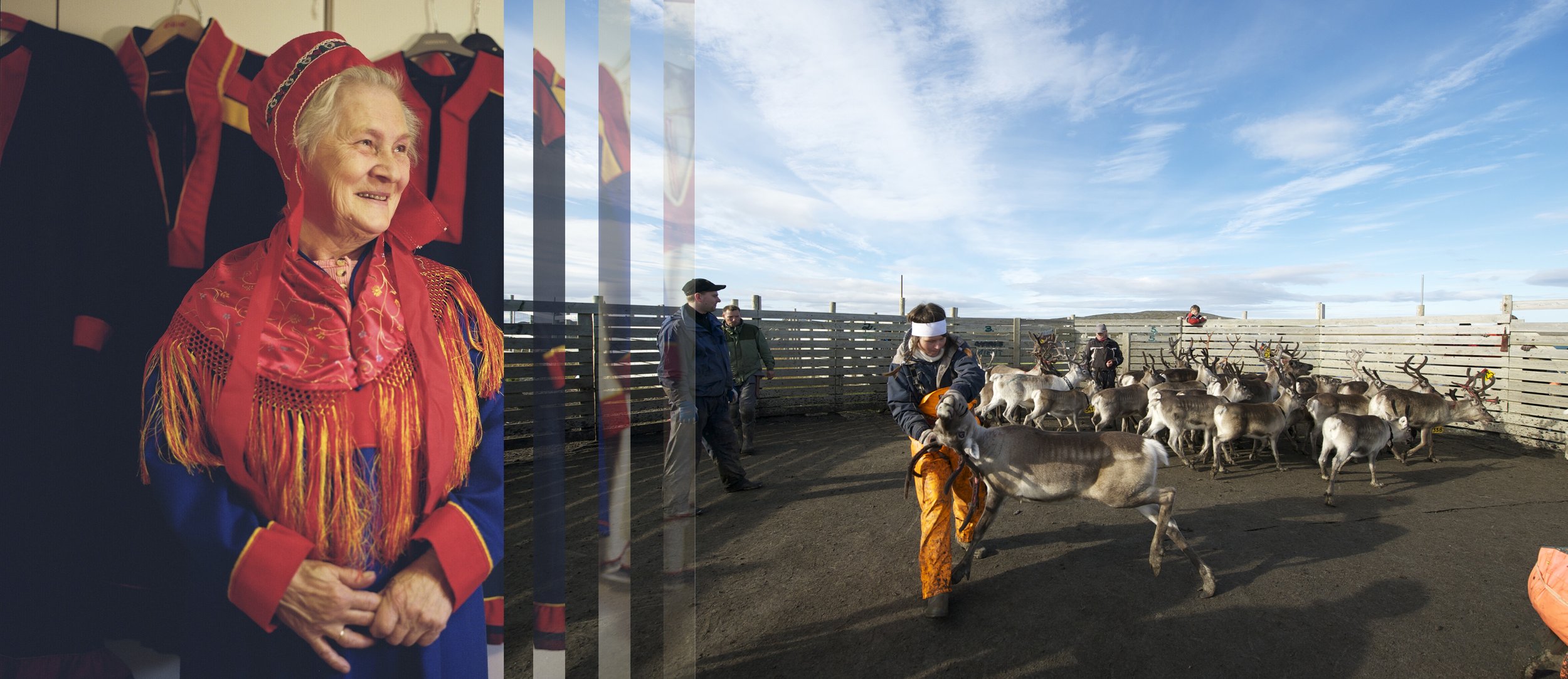
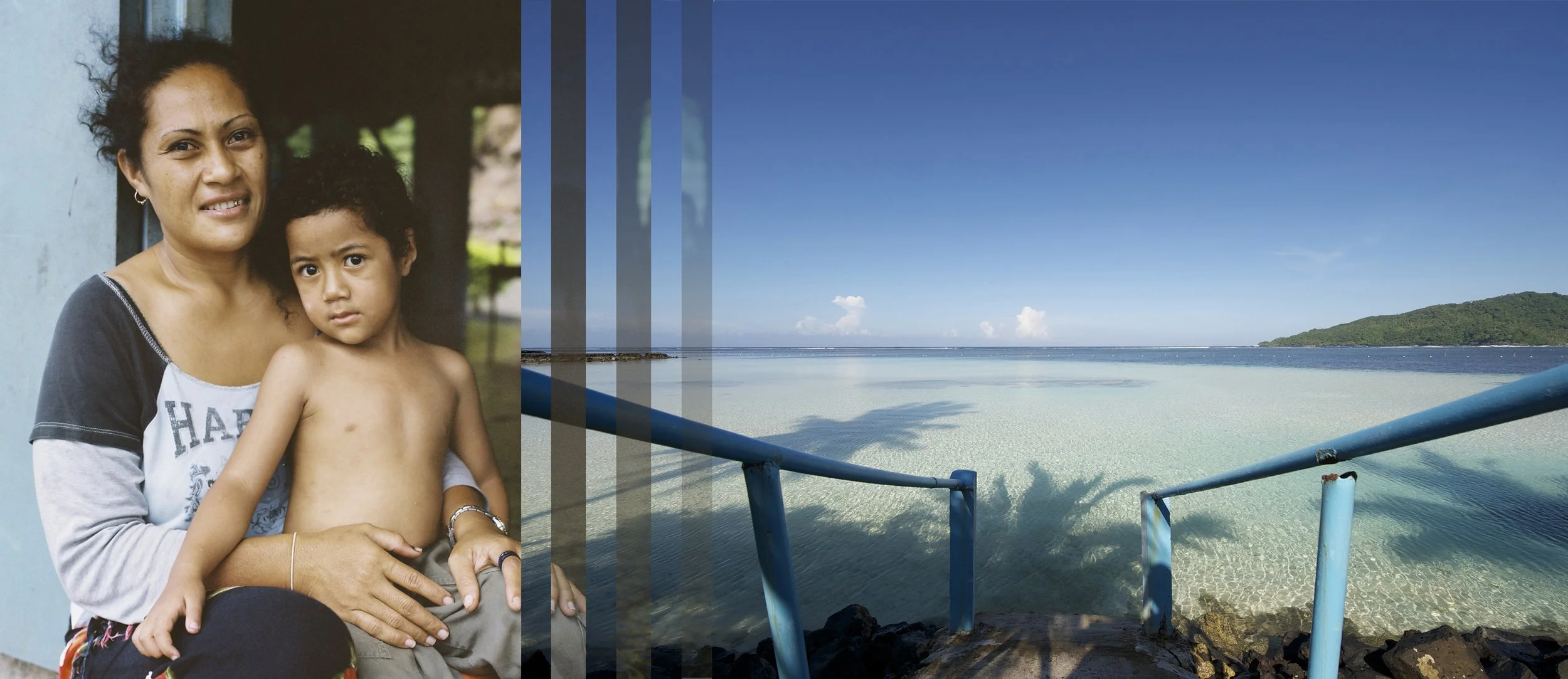
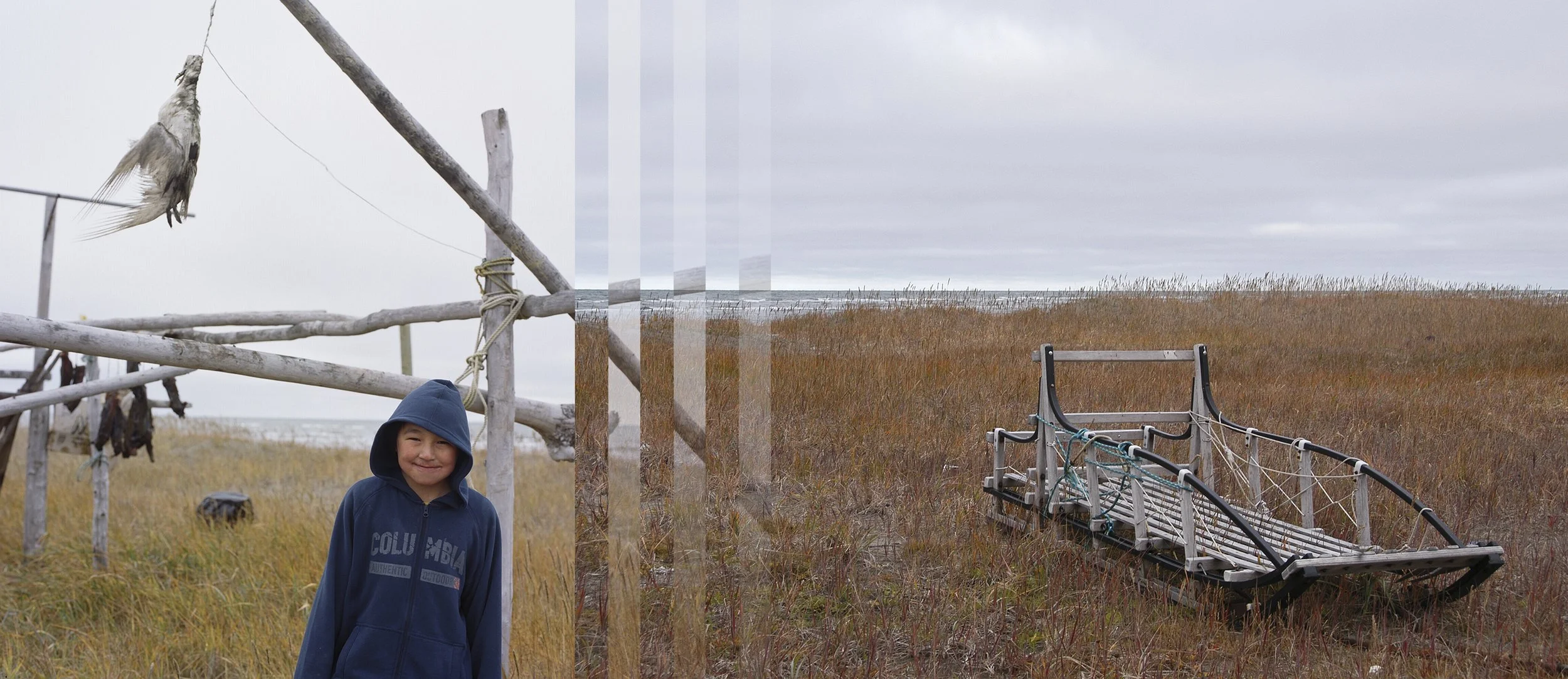
This series focuses on the Arctic and Small Island Developing States, including Greenland, Norway, Nunavut, Russia, Tuvalu, Samoa, Kiribati, the Marshall Islands, and Barbuda. Composite photographs merge portraits and panoramic landscapes, creating a visual dialogue between the awe-inspiring splendour of these regions and the resilience of their communities.
These geographically distant societies share vulnerability and strength, and were among the first to experience climate change firsthand. Each image reflects the relationship between people and place—through colour, texture, and theme—revealing how land, sea, flora, fauna, and weather shape who we are. Through evocative imagery and personal narratives, I hope to foster empathy and reveal the deep interconnection that binds us across cultures and continents.
“Germano creates compelling large format portraits that celebrate the resilience and fortitude of people residing in remote regions in the Arctic and Small Island Developing States. The portraits and majestic panoramas land coalesce and meld into each other, simultaneously mirroring and reflecting each other. Her photographs visually make a direct correlation between the awe-inspiring splendour of these regions and the communities directly impacted by the climate crisis.” ~ Lonsdale Gallery, Toronto, Canada
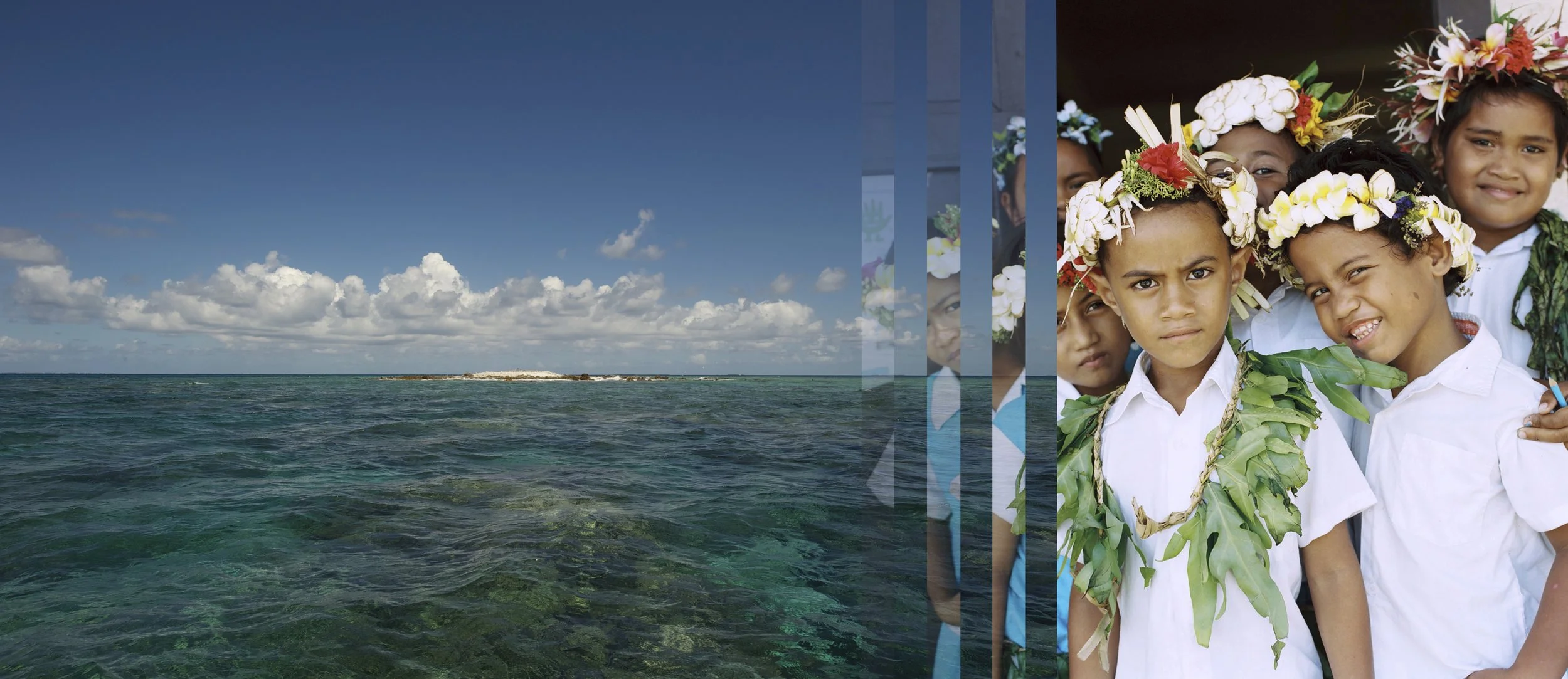
Disappearing Tuvalu, a Pacific Island nation, faces threats from climate change. Children recall lost islets once used for family picnics, now submerged by rising seas. Flooding is common in Funafuti, where land sits five metres above sea level. Scientists predict Tuvalu could vanish by 2050. One hopeful day, students danced in gratitude, wearing handmade floral headdresses.
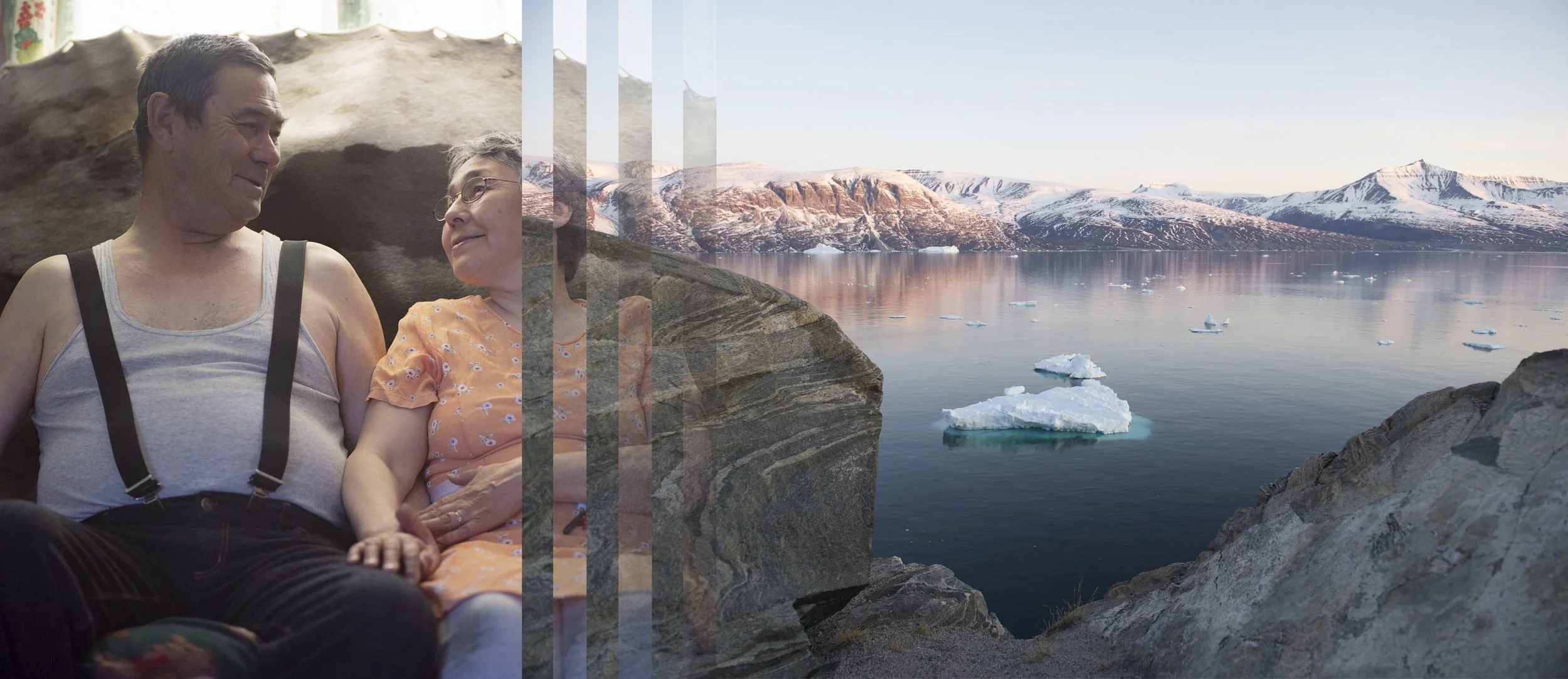
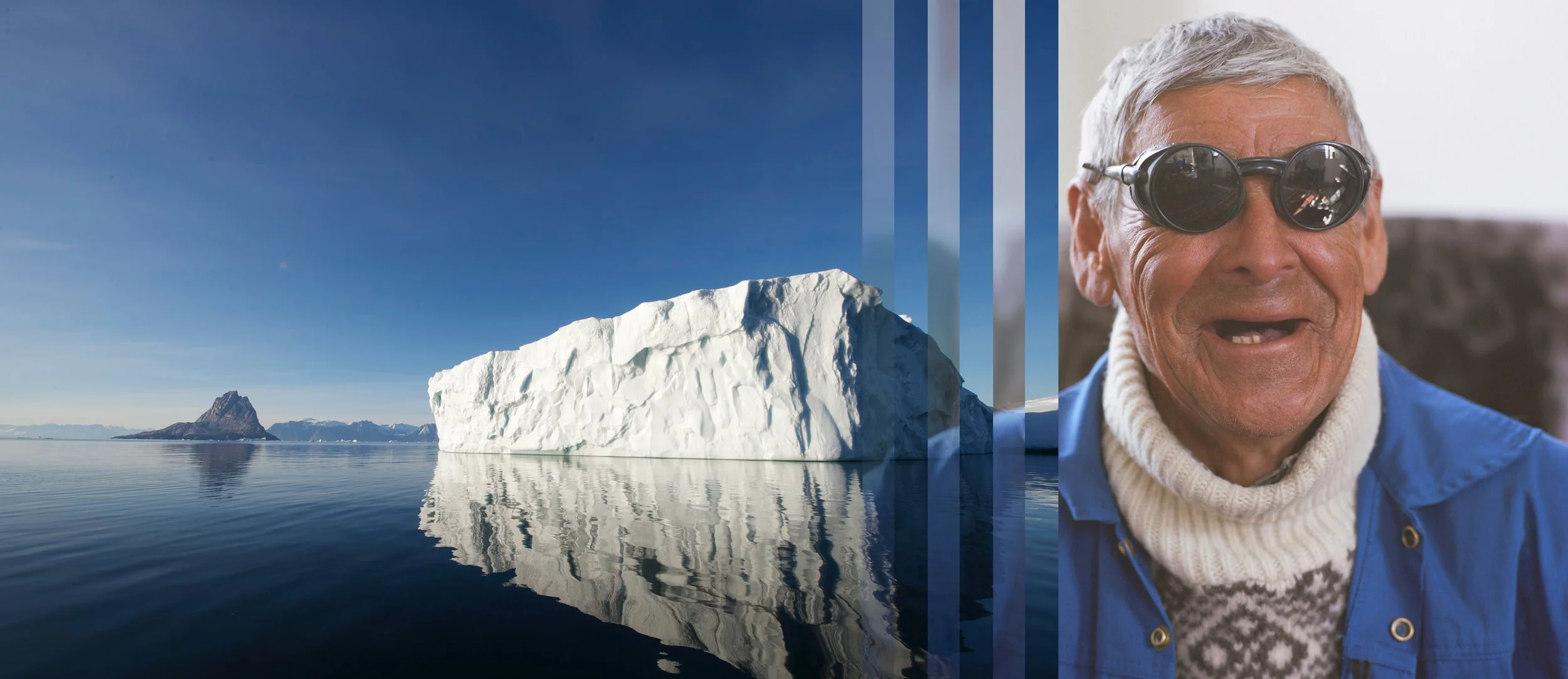
Greenlandic Love – Karen and Peter live a traditional subsistence life in Uummannaq, “the heart-shaped” town. Though Karen doesn’t speak English, we connected through gestures as she showed me her seal-skin crafts. Peter’s loving gaze captures their deep bond. Bathed in warm sunlight by the melting sea, their profound love for each other and the land was undeniable.
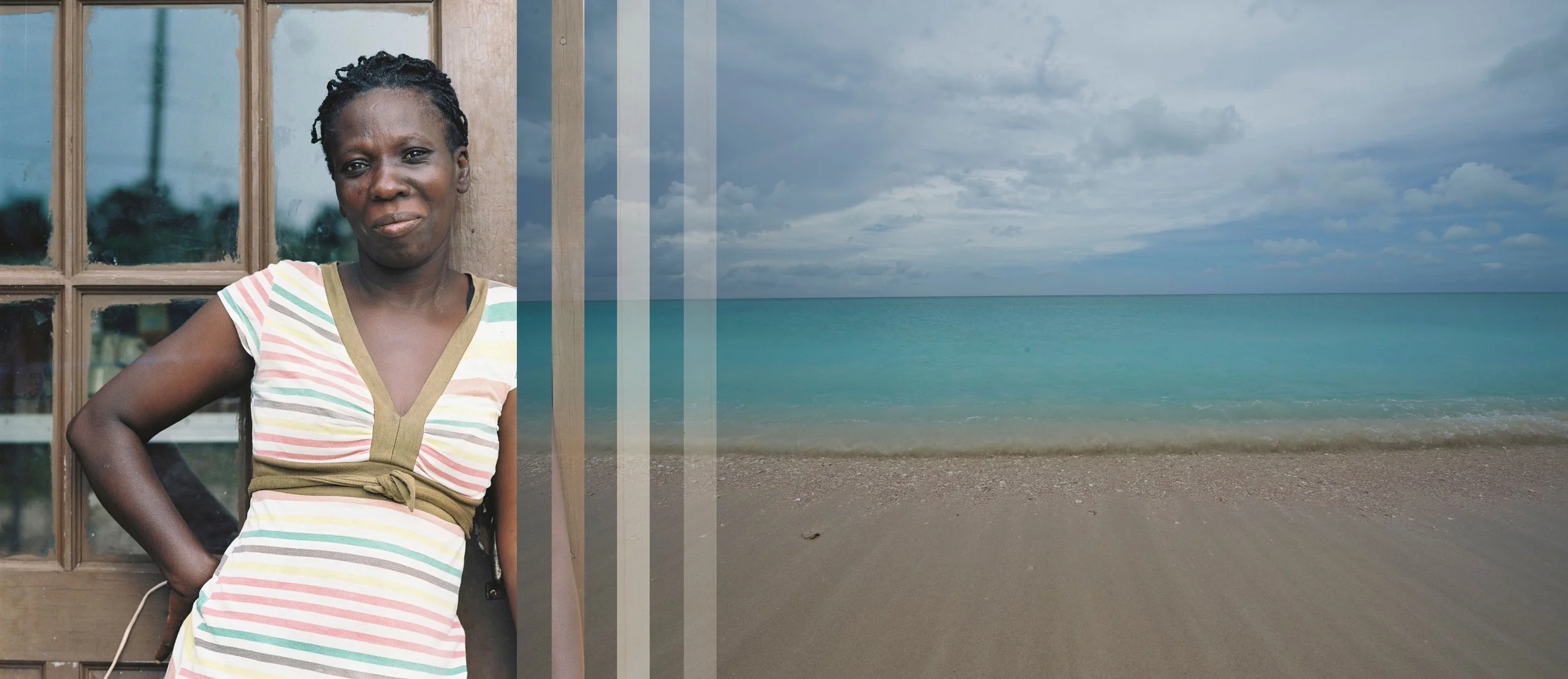
Barbuda Beauty – Rose’s shirt contained the vibrant colours of Barbuda, pink sand, and soft turquoise surf. During an after-school photo walk, she leaned against a door, a perfect moment of natural colour. Five years later, Hurricane Irma devastated the island, destroying homes and forcing residents to relocate. Now, Barbudans are slowly returning to rebuild their lives.
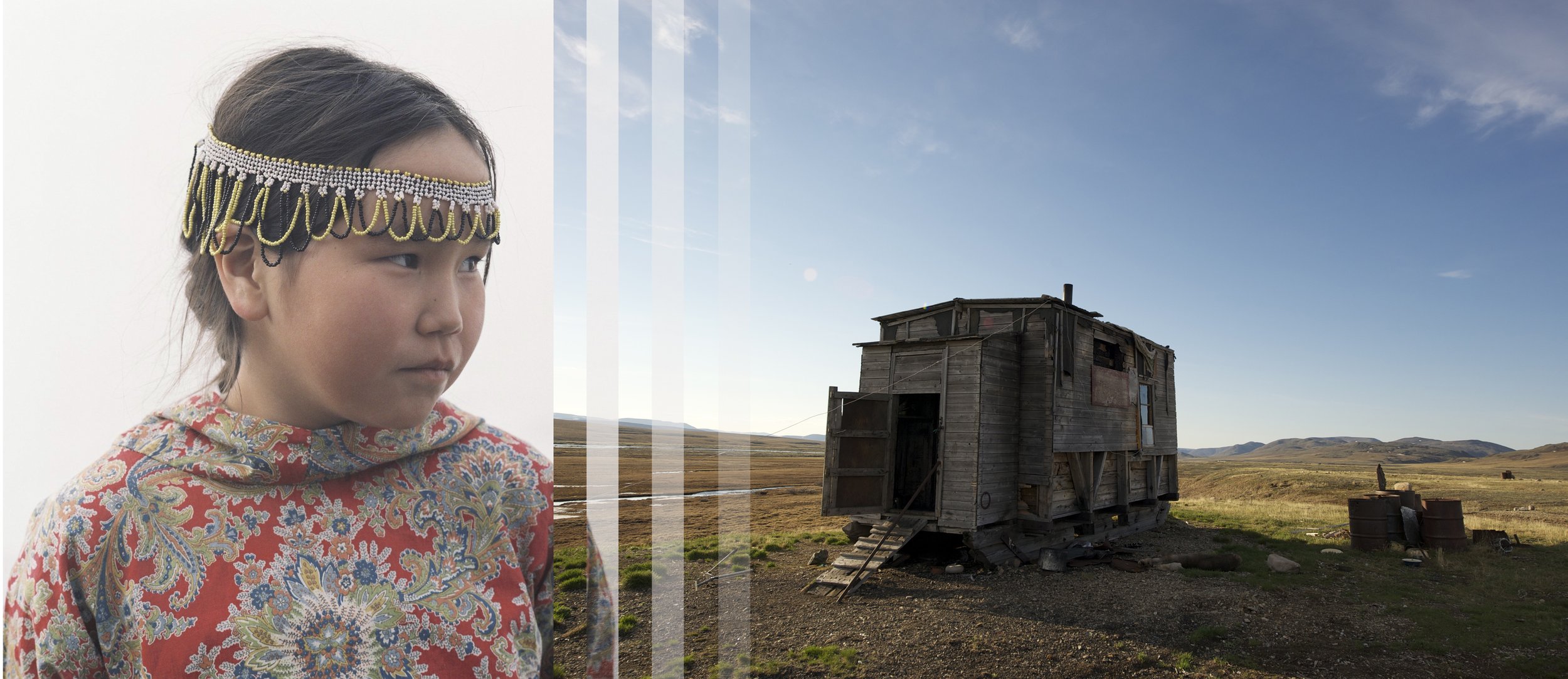
Chukotka Culture – Days after arriving in Enmelen, schoolchildren performed in traditional regalia. Chukchi girls wore beaded headbands that swayed elegantly as they danced. Reindeer herders here are nomadic, following herds for weeks, sleeping in hunting huts pulled by snowmobiles or once by reindeer. One such hut, stuck in ice, was abandoned for the year.
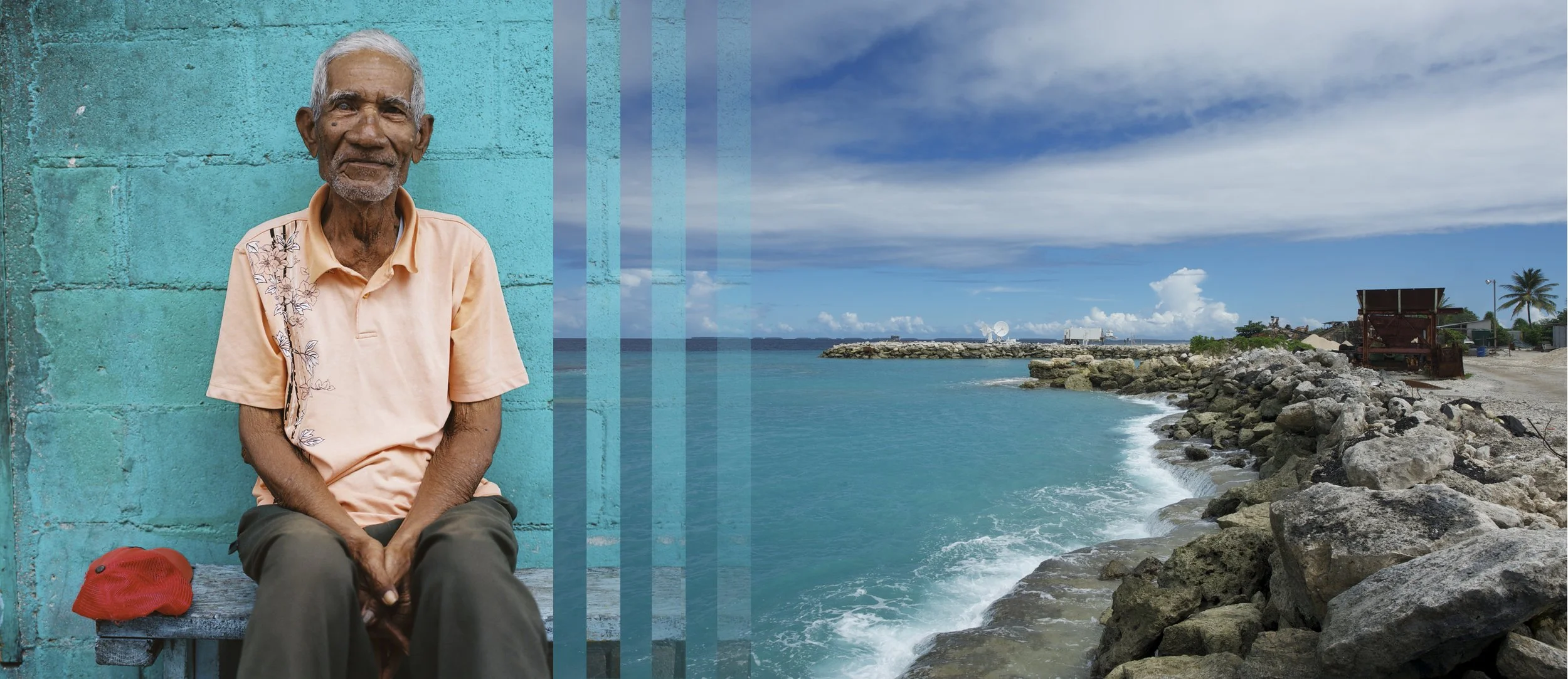
Blind Future – In the Marshall Islands, rising sea levels threaten communities and reshape landscapes. During a photo walk, we found a blind elder resting against a turquoise seawall, escaping the sun’s heat. His peach shirt and red hat contrast beautifully with the wall, capturing a quiet, powerful moment that reflects both the island’s fragility and its enduring resilience.
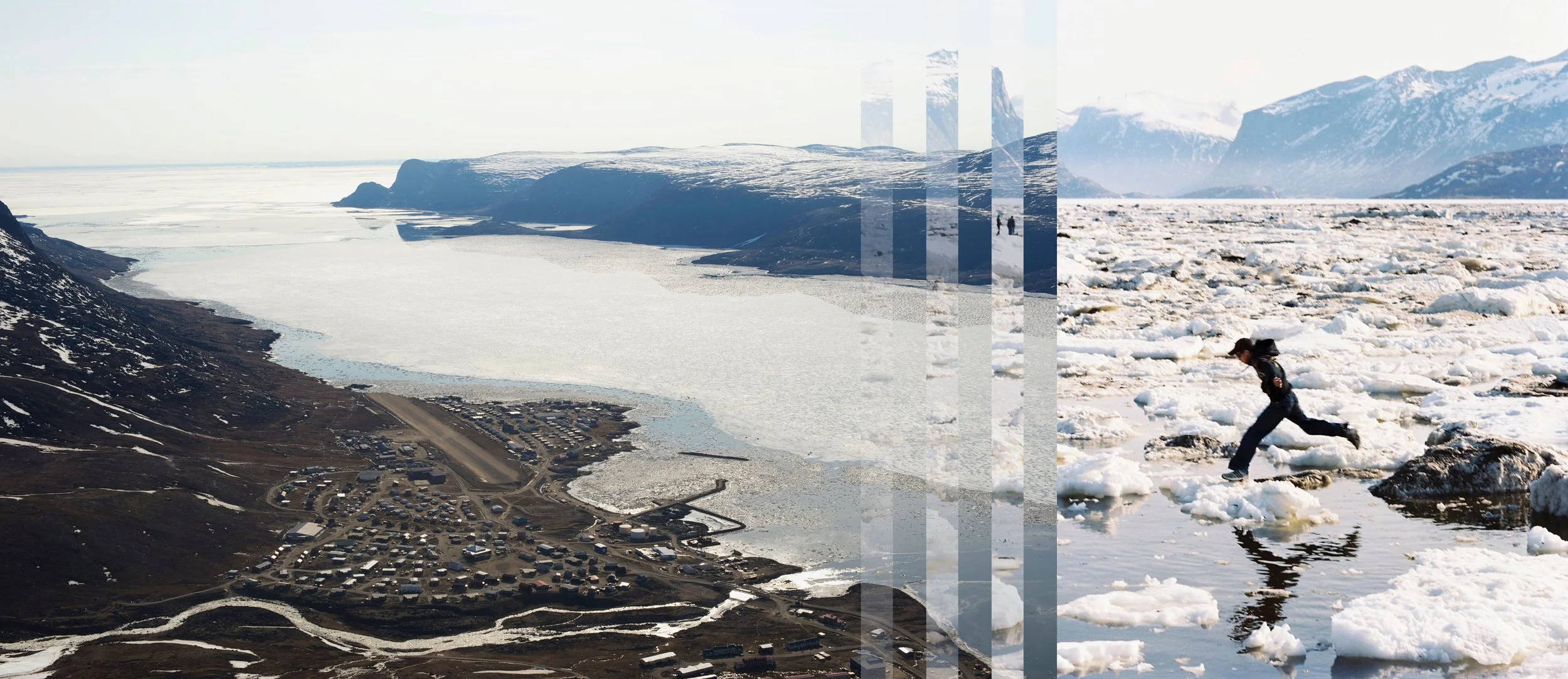
Fragile Arctic, Nunavut – Early one spring morning in Pangnirtung, Nunavut, children laughed in Inuktitut, jumping on ice blocks in the thawing harbour. From Mt. Duval, I captured the landscape, where ice flows blend with ocean views. This moment symbolizes nature’s fragility, the leaps we must take to move forward, and how our actions shape the future.
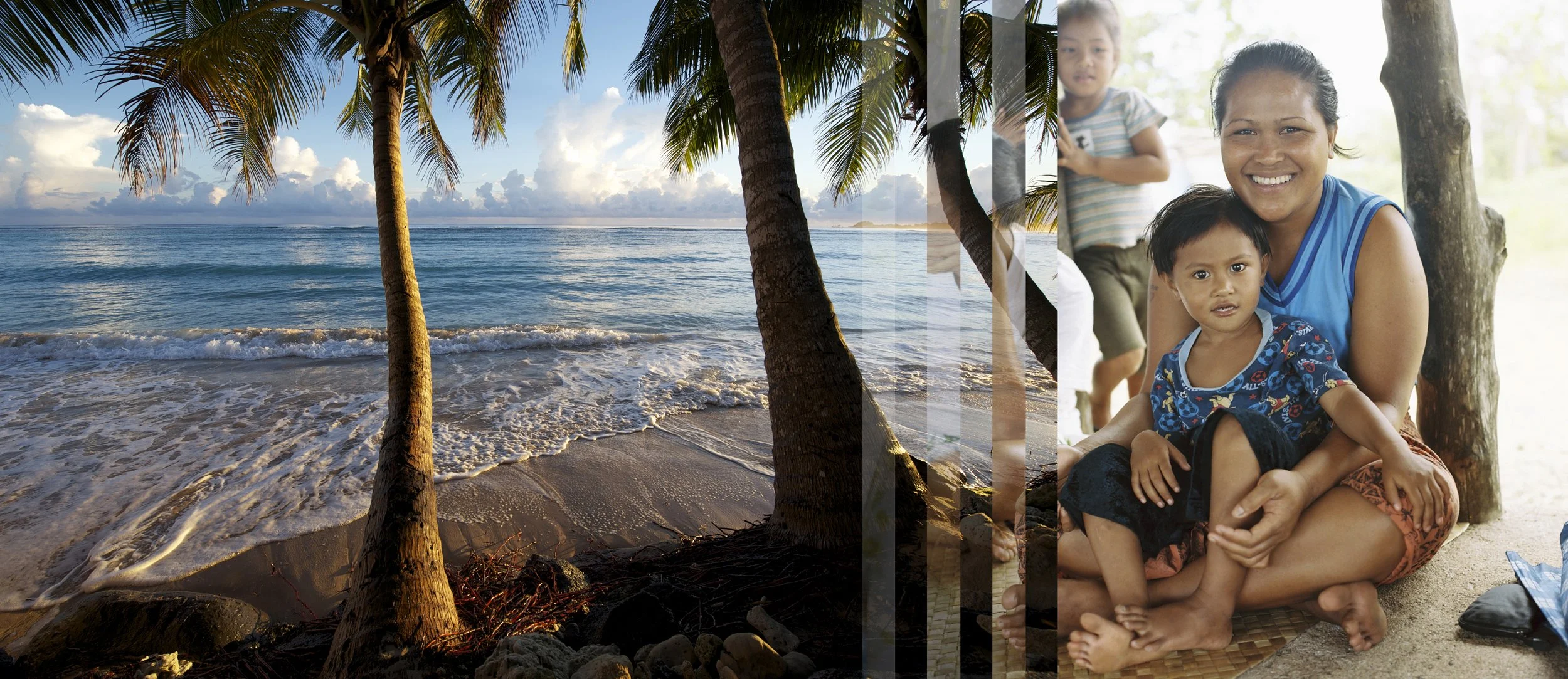
Eroding Samoa –
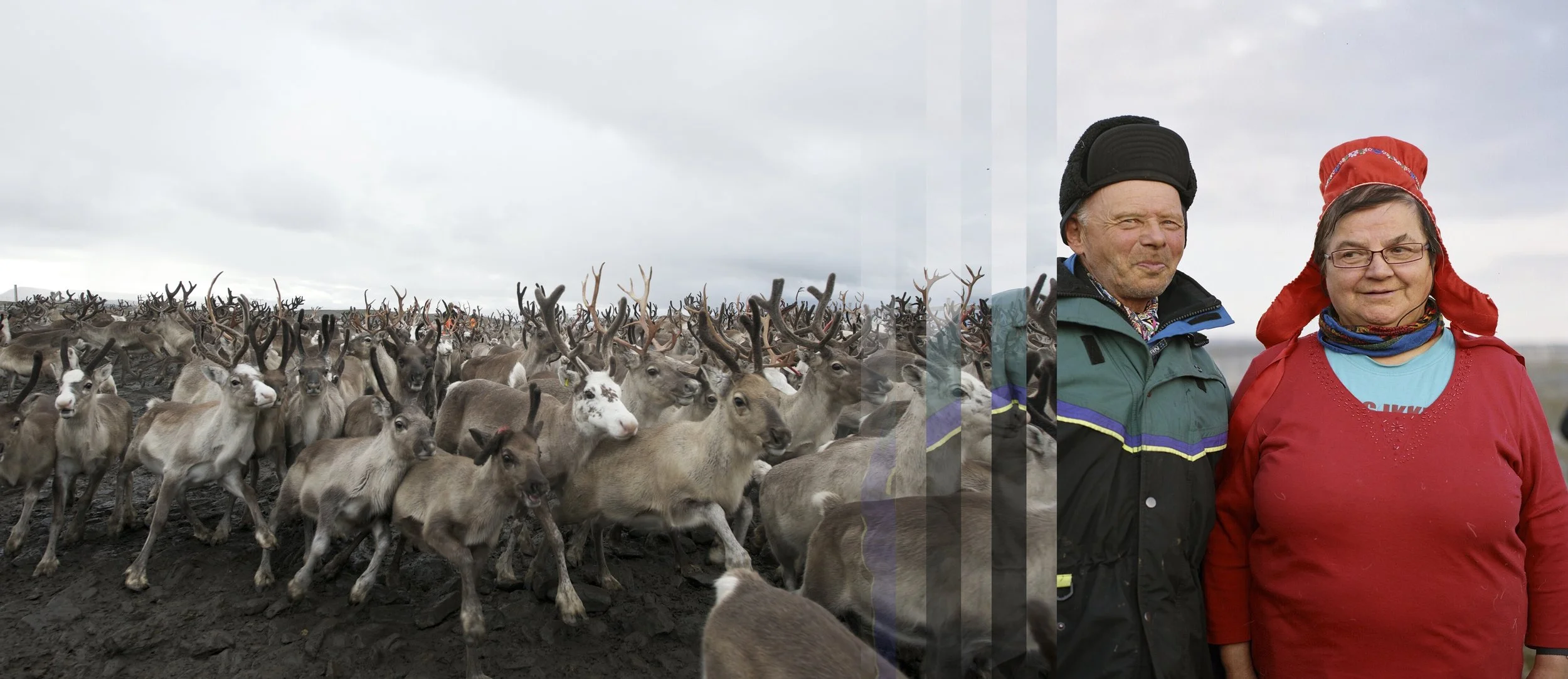
Sami Herders, Norway
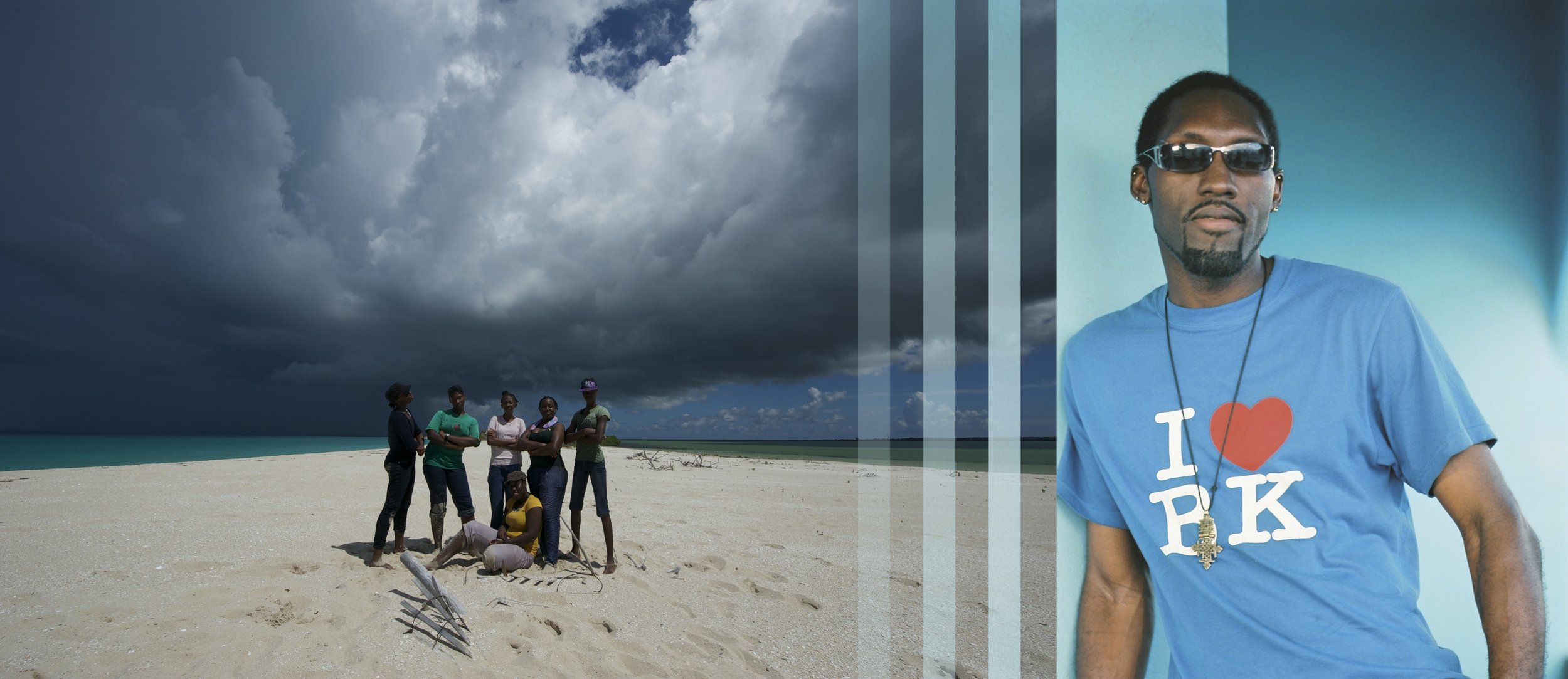
Barbuda Love – While working in Barbuda, the students and I travelled to the other side of the bay where a small sand bar surrounds and protects the vulnerable island of Barbuda. The Barbuda youth are resilient students, posing with their arms crossed, protecting their home with love, while a storm surges behind them. A resilient wall of sand separates the light calm water of the lagoon and the much more ominous, darker water of the Caribbean.
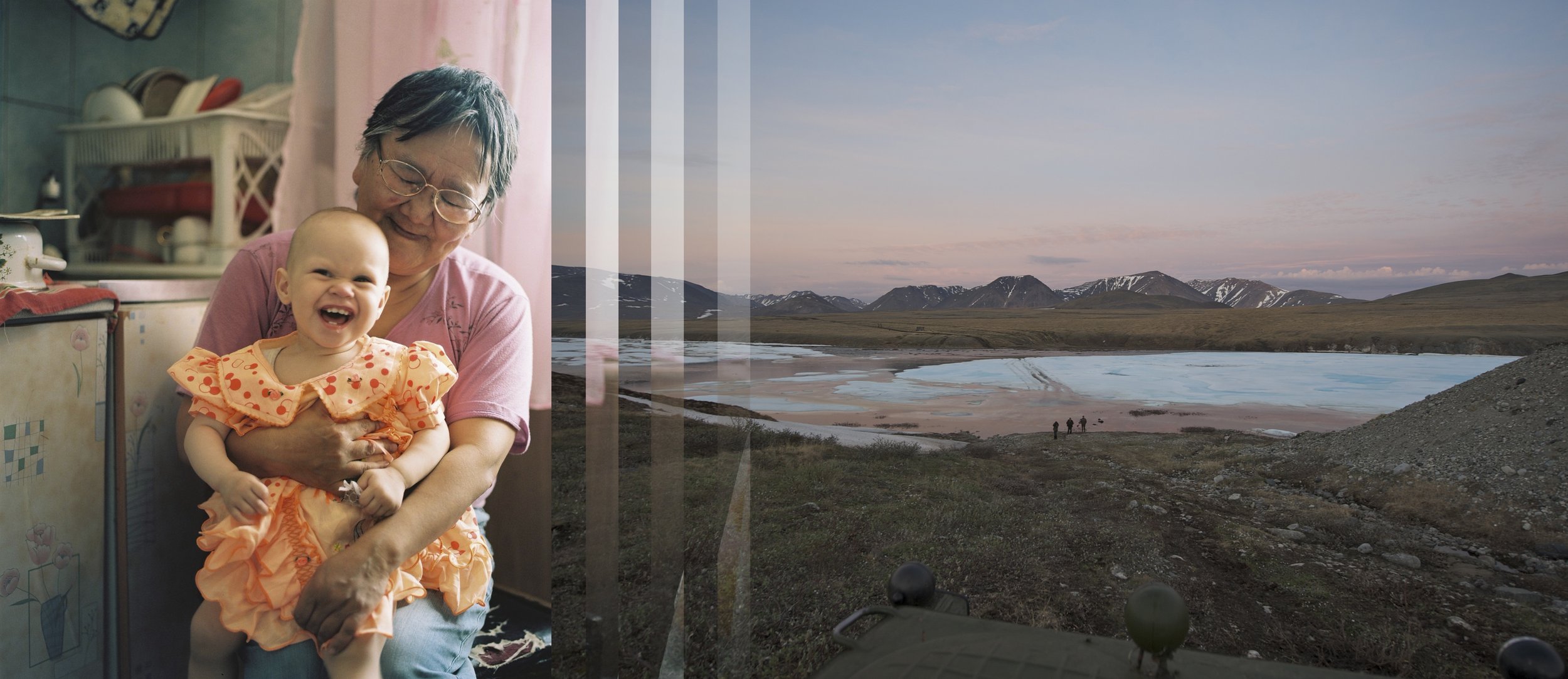
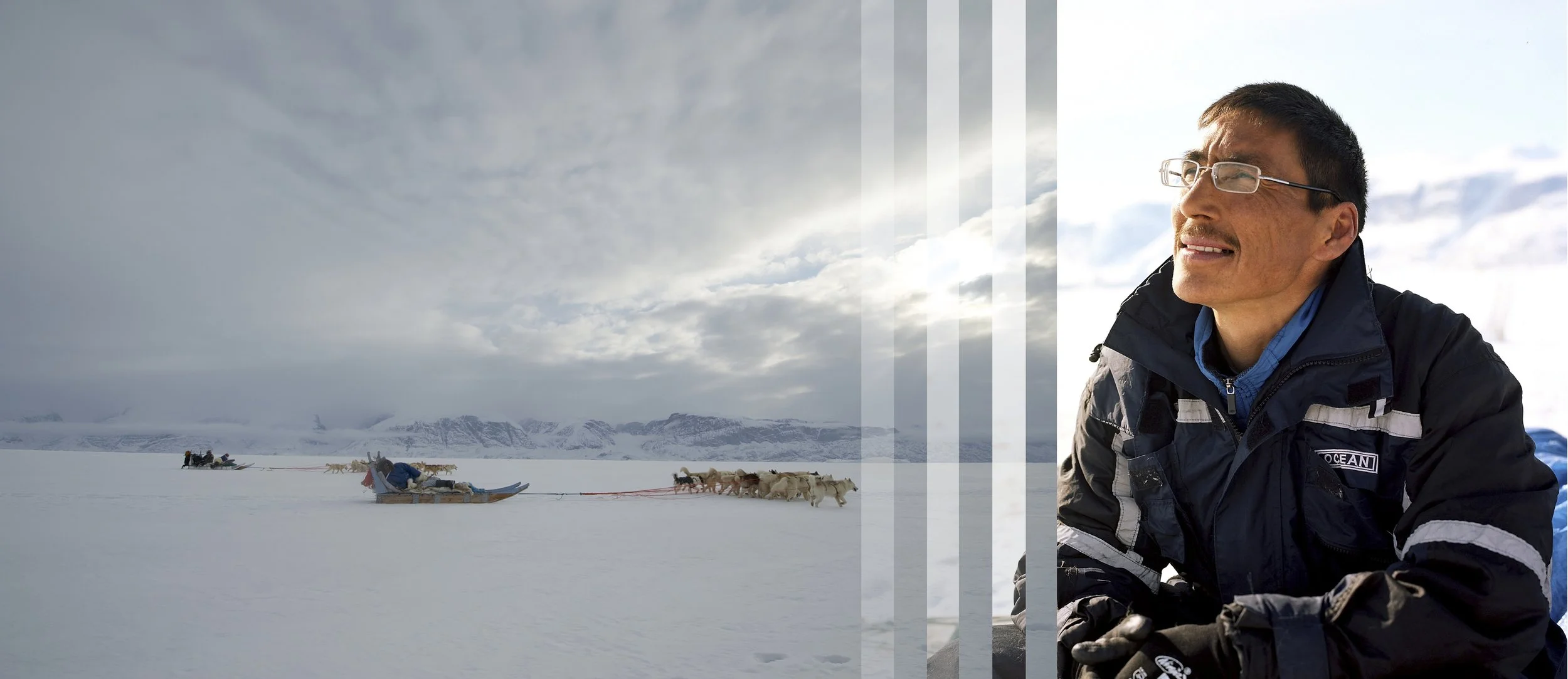
Greenlandic Hunter – One night in Uummannaq, 24+ of us from the Children’s Home returned from an overnight at a community six hours away by dog sled. Each dog sled is pulled by sixteen dogs and as we slid across the frozen sea, under the never ending light of late spring, I leaned back to welcome the experience and lessons the land teaches us each time we embrace her. A content moment and peaceful memory of an experience that may no longer be possible in the future due to climate change.
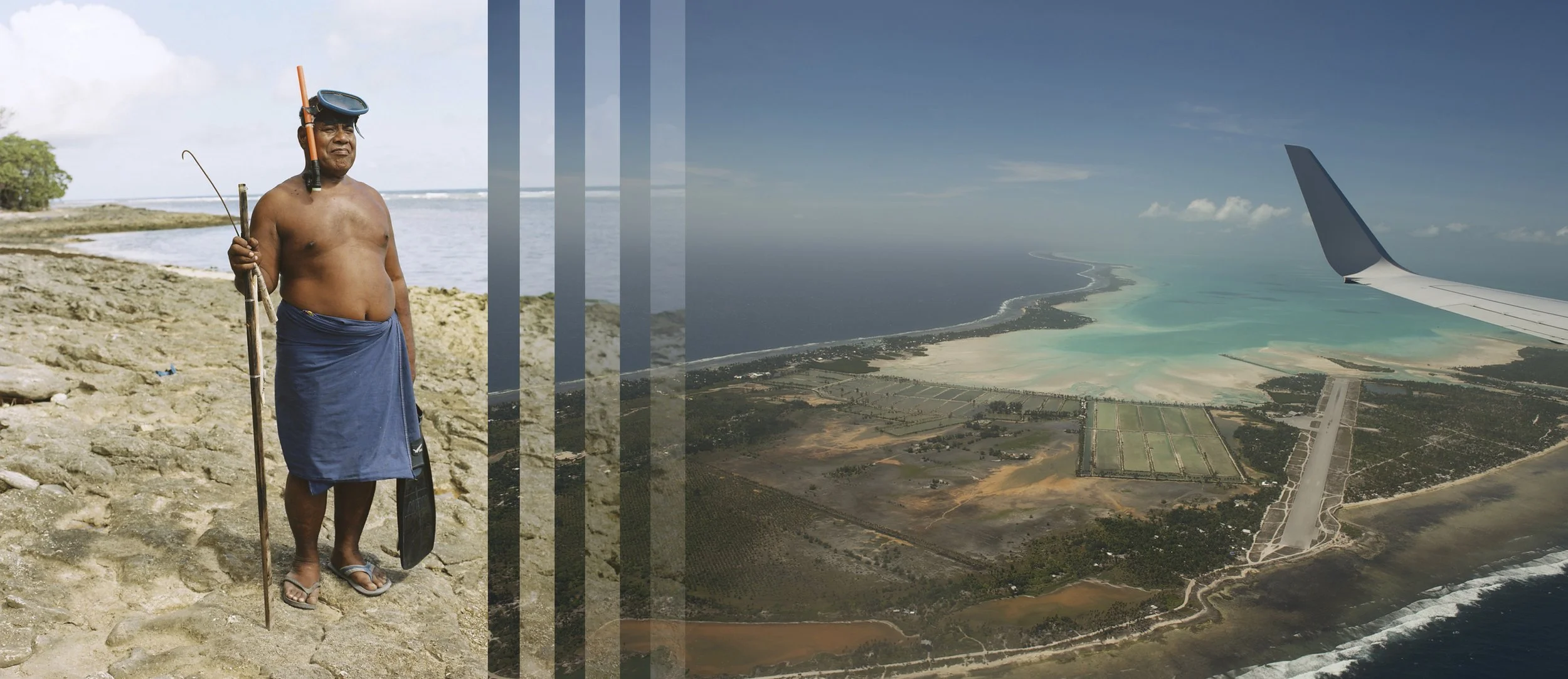
Disappearing Tuvalu
Tuvalu is a chain of islands and atolls in the Pacific, and is one of the countries most threatened by climate change. An atoll is the rim of an extinct volcano covered in coral. Monthly flooding in Funafuti, Tuvalu is a regular occurrence during high tide making the locals some of the most resilient and spiritual people I have ever met. The children told me stories of “when they were young” they used to picnic and swim on a small islet filled with coconut and palm trees with their families on the weekends. In their lifetime they have watched the islet slowly disappear under rising sea levels twice a day till it became just a pile of white sand.
The scientists predict Tuvalu will be under water by 2050. Meaning these children will lose their homeland and be displaced. The highest point on the Funafuti Atoll is five metres above sea level. The thin strip of land drops off straight into the Pacific Ocean and within the atoll is the crystal blue waters of a calm lagoon.
On this day the Taiwanese government bought enough flip-flops for every child on the island. Each student came to school with their own traditional floral headdress called a fou, weaved from flowers by their mother, grandmother or auntie. The afternoon was filled with dances of gratitude for the community and dignitaries.
Greenlandic Love
We reflect where we live. Life partners, Karen and her husband Calles Piitaaraq (Peter) Zeeb live a traditional subsistence life, eating country food her husband hunts. They live in Uuummannaq, translated means in the shape of a heart. Karen and her husband are one of the most loving couples I have ever met. This elderly couple led a trying life, having faced many challenges together. Karen is the maker and creator of beautiful things made from fur, in particular sealskin. Even though Karen does not speak a word of English and I know a handful of Greenlandic words, we spent many days together exchanging and communicating through facial expressions, body language and miming. She fed me seal and I documented her cleaning, stretching, and sewing seal skin into mitts, hats, coats, purses and more. At this moment, Karen was showing me the large sealskin her husband had caught. Peter glanced over to her with the most loving eyes I had ever seen. I asked if I could photograph the two of them together and Karen promptly placed the large skin on the couch and grabbed her husbands hand. The colours of the warm sun, shimmering against the melting sea, captures the deep connection shared by the couple; a profound love for each other and the land that surrounds them.
Barbuda Beauty
Never have I seen a such sight, as the pink sandy beaches of Barbuda. Like her name Rose’s shirt was the colour of the sand. The shirt contained all the vibrant colours of Barbuda, pink beaches, soft turquoise surf of the clear Caribbean sea, suffused with warm shades of brown. As I walked the dirt roads with my students for our after school photo walks, Rose was leaning against the door in her stripped shirt of turquoise, yellow, pink and trimmed in brown. Moments like these yank me in place full stop. I like to find these moments of complementary colour as they exist naturally. Five years after I took this photo Hurricane Irma flattened 90% of the structures on the island including the school, government buildings and homes. A two year old boy died and all 1,800+ residents were relocated to Antiqua. Just recently Barbudans have begun to return and rebuild.
Chukotka Culture
A few days after I arrived in Enmelen, Chukotka Russia the children at the school performed for the community. They all dressed up in their traditional regalia. The Chukchi women adorn their heads with beautifully beaded headbands that dangle down the sides of their faces moving elegantly with their traditional dances. After the performance Etynkau Yaroslava Sergeevna and the other students with permission were excited to pose and show off their beautiful dresses. The reindeer herders of Russia are some of the most remote and transit, following the herds for weeks at a time. The herders drag hunting huts on skies behind snowmobiles or in the past by reindeer to sleep in while hunting. This particular hunting hut became stuck in the ice and was abandoned for the year.
Blind Future, Marshall Islands
The Marshall Islands are in the North Pacific Ocean. Like most Small Island Developing States, rising sea levels are a huge concern, as are the costs of building sea walls to protect them from the engulfing sea and also change the landscape of the island. During a photo walk with my students, we turned the corner of a huge brick wall in the community to find the perfect photo. Leaning against a turquoise brick wall, the blind elder sits on a bench in silence taking a break from the beating heat of the sun. Wearing a peach shirt with his red hat sitting beside him, the contrasting colours and the blue brick wall behind him visually weaved together the two compositions visually and symbolically.
Fragile Arctic, Nunavut
Early one spring morning in Pangnirtung, Nunavut I woke up at 4am to hear children laughing and talking loudly in Inuktitut. Curious, I jumped out of bed, pushed the black plastic bag blinds aside to see youth jumping along the ice blocks in the thawing harbour. The photograph of the landscape was taken at the top of the Mt. Duval looking down onto the hamlet. The two photos link together as the ice-flow from a distance meshes perfectly with the image taken from the ocean’s edge. This image represents so many things for me, the fragility of nature and life, how we must take leaps to move forward, and what we do will be reflected in our future.